Meet the Contenders: Memory Foam and Latex
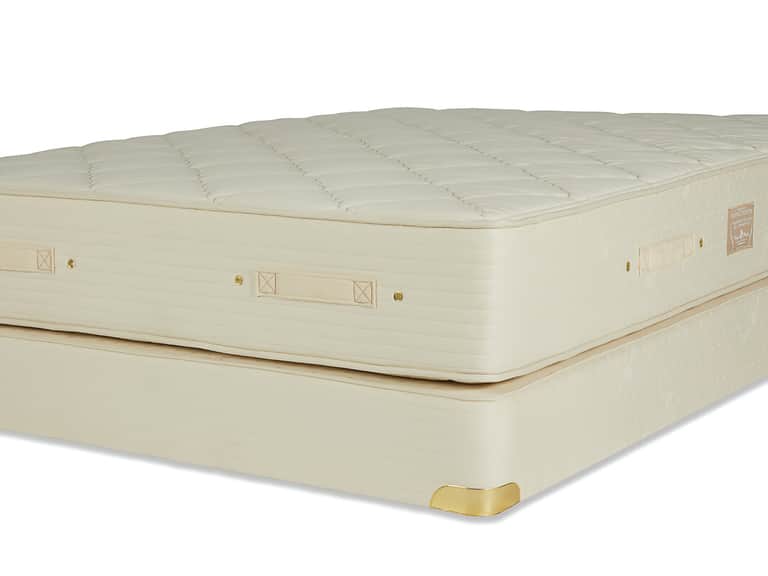
Memory foam and natural latex stand at opposite ends of the sleep-surface spectrum, yet both aim to cradle the body in a way that supports spinal alignment and minimizes pressure points. Memory foam derives its contouring from polymer-based cells that compress under weight, forming a custom-fit impression of your body. Latex, especially in its natural form, offers a resilient, buoyant feel, with a responsiveness that helps you move without the sensation of sinking.
Historically, memory foam gained widespread popularity in the 1990s as a memory of NASA-inspired foam that later found a home in domestic bedrooms. Latex, with roots in natural materials and traditional European manufacturing, has retained a reputation for durability and breathability. The practical question remains: which material better supports your sleep goals, whether you’re a back sleeper, side sleeper, or a combination of positions?
Pressure Relief and Support: How Your Body Feels It
Pressure relief is the bedrock of comfortable sleep. It’s not just about softness; it’s about how a surface distributes weight and reduces points of compression along the shoulders, hips, and spine. Memory foam tends to offer deep contouring, which can be ideal for those with shoulder or hip pain who crave a uniform impression of the body. Side sleepers often report that memory foam cushions the curves of the body, allowing the joints to lie in a more neutral position.
Latex presents a different profile. Its inherent buoyancy and elasticity allow the body to float with less of the “hug” that memory foam provides. For many sleepers, latex feels cooler because its pores promote airflow, and its resilient surface resists the sensation of sinking. In terms of spinal alignment, latex supports a more instantaneous response to movement, which can help reduce the sensation of being trapped if you toss and turn frequently.
Temperature Regulation: The Climate of a Good Night
Temperature regulation is a practical, day-to-day factor that affects sleep onset and depth. Memory foam has advanced in recent years with open-cell structures, gel blends, and ventilation features, but some formulations still retain a tendency to trap heat for sensitive sleepers. If you tend to overheat, you’ll want to look for memory foam models with breathable top layers, phase-change fabrics, or included cooling gels.
Latex naturally excels at breathability. The porous structure of latex—especially Dunlop or Talalay varieties—promotes airflow and can help wick away moisture. If you sleep hot, latex might be the more comfortable choice, provided you also consider the cover fabric and overall mattress depth. For those who share a bed, latex’s responsive surface can also minimize motion transfer without sacrificing temperature control.
Durability and Longevity: A Long-Term View
Durability is often the most overlooked factor when choosing a mattress. Memory foam can maintain comfort for many years, but its contouring gradually becomes less responsive as the foam ages and may show signs of "sagging" in high-pressure zones. High-density memory foams generally resist wear better, but they still depend on the design and the base support underneath.
Latex, particularly natural latex, is renowned for its durability. A well-made latex mattress can outlast many memory foams, maintaining buoyancy and conforming characteristics for a longer period. Its resilience makes it less prone to permanent body impressions. If you’re seeking a long-term investment with lower likelihood of rapid softening, latex is often a compelling choice.
Care, Allergies, and Sensitivities: Clean Sleep and Healthy Materials
Allergens and sensitivities are a real concern for many households. Memory foam products vary by the presence of additives, off-gassing, and chemical treatments. Some sleepers report initial odors with new memory foam; adequate ventilation and choosing CertiPUR-US certified foams can mitigate concerns about VOCs and indoor air quality.
Latex, particularly natural latex, is often favored by those with chemical sensitivities. However, the latex category includes both natural and synthetic options. Those with latex allergies should avoid natural latex altogether and ensure fabric coverings are hypoallergenic and breathable. For any mattress material, looking for low-VOC certifications and reputable manufacturing standards is a prudent step toward healthier sleep spaces.
Sleep Position and Body Type: Tailoring Your Material Choice
Back sleepers usually benefit from balanced support with moderate contouring—memory foam can provide precise support, while latex can deliver a more buoyant, stable feel that preserves spinal alignment with less “sinking.” Side sleepers often seek deeper pressure relief at the shoulders and hips; memory foam’s softer, more enveloping feel can be advantageous, while some latex formulations with a softer latex top may also meet this need.
Stomach sleepers typically require a firmer surface to prevent the torso from bowing, which can stress the neck. Both materials can be tailored for firmness levels, but remember that overly soft foams may cause alignment issues for stomach sleepers. A firmer latex profile might be preferable for those who require greater initial support at the midsection.
Practical Quick-Reference Tips
- Test firmness in-store or via sleep trials: Aim for a mattress firmness that allows your body to rest in a neutral spine position without excessive pressure on joints.
- Check the feel: If you prefer to feel “floaty” with quick responses to movement, latex may be preferable. If you want precise contouring, memory foam could be the better fit.
- Consider a hybrid approach: Some models blend memory foam and latex or pair memory foam with a latex comfort layer to offer a balanced experience.
- Pay attention to covers and cooling features: Breathable covers and ventilation channels can influence temperature and moisture management at night.
- Be mindful of durability and warranty: A solid warranty often correlates with a mattress designed to resist sagging and maintain performance over time.
A Glimpse into the Market: Notable Models and Their Value
To illustrate the spectrum of options, consider two illustrative products from the broader sleep ecosystem that align with the themes of this article (memory foam vs. latex, and a luxury-capability adjustable base that redefines how you use a bed):
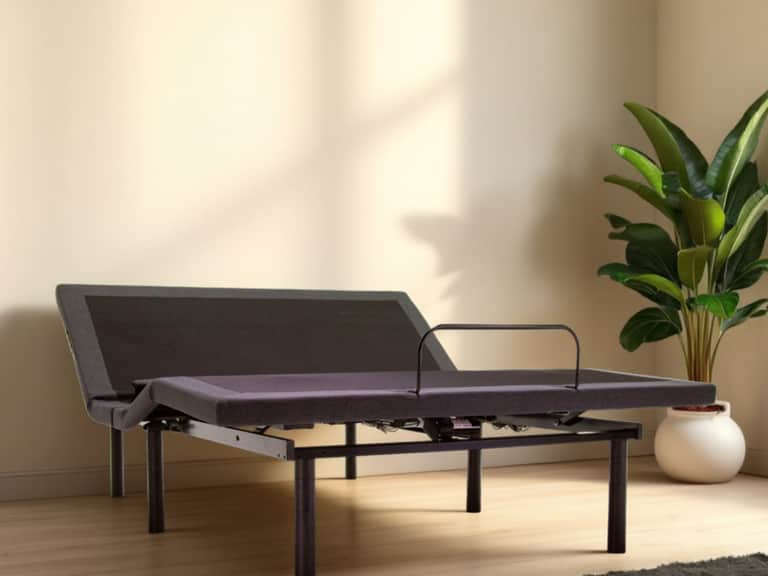
The Clean Bedroom Level 4 Adjustable Bed Base
An advanced sleep system with motorized lumbar support, head tilt, adjustable legs, VibraSense massage, and Zen Mode. While not a mattress, its configurability transforms how you experience memory foam or latex surfaces—particularly for reading, working, or alleviating snoring.
Key feature: Snore-Sense, programmable presets, and ambient underbed lighting create an adaptable sleep environment.
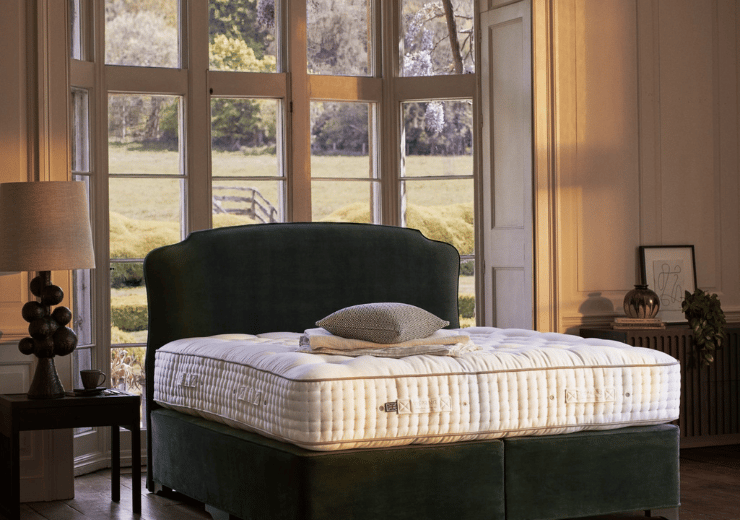
Vispring Opulence Mattress
A luxury mattress that layers natural fibers, including cashmere, alpaca, bamboo, silk, and hand-nested springs. Though at a premium price, it demonstrates how high-end materials affect pressure distribution and temperature management in practice.
This example underscores the principle that premium materials can offer nuanced benefits for those seeking exceptional sleeping surfaces.
Note: In the context of memory foam vs latex comparisons, many consumers prioritize a balance of contouring, temperature, and durability. When exploring options, use trials, return policies, and independent reviews to validate your expectations against real-world performance.
Bottom Line: Finding Your Best Sleep Surface
There is no one-size-fits-all answer to memory foam versus latex. The best choice hinges on your preferences for feel, your sleep position, your sensitivity to temperature, and how you respond to contouring over the course of the night. Memory foam offers deep pressure relief and a familiar close-to-body contour, particularly valuable for those seeking motion isolation or relief from specific pains. Natural latex provides buoyant support, temperature regulation, durability, and a responsiveness that can help you move fluidly through the night.
For readers of RelaxComAttract Mattress, a credible, evidence-informed approach means prioritizing material transparency, third-party certifications, and long-term sleep health considerations. While a mattress is a personal purchase, a mindful evaluation of these factors can yield a surface that supports not just your body, but your daily life—your work rhythm, your stress management, and your recovery after activity.
Time-Honored Voices: Three Key Thinkers Who Shaped Our Understanding of Sleep
In the grand story of sleep science, three voices from different eras illuminate how we think about rest, the body, and comfort.
-
Ancient to Early Modern: Aristotle (384–322 BCE) and the Quest for Rest
Aristotle’s inquiries into the nature of living beings and their needs laid groundwork for later contemplation of sleep as a biological necessity. Though he did not study mattresses as we do today, his insistence on regularities of life and the importance of rhythms foreshadowed modern sleep hygiene principles: consistency, routine, and balance as foundations of well-being. -
19th–Early 20th Century: Sigmund Freud and the Dream Space
Freud’s psychoanalytic model contextualized sleep as a window into the unconscious, highlighting the significance of REM states and dreams. While his focus was not on mattress materials, his work underscored that the sleep experience—whether it be dream-rich or dream-sparse—affects memory, learning, and emotional regulation, reinforcing the idea that restorative sleep is fundamental to health. -
Late 20th Century to Today: Sleep Medicine Pioneers like C. Owen (Charlie) J. Smith and the rise of evidence-based sleep science
Modern sleep experts emphasize objective measures of sleep quality, including sleep latency, continuity, and efficiency. The translation to our mattresses is pragmatic: when assessing memory foam or latex, we consider scientific data on pressure distribution, temperature regulation, and long-term durability to guide consumer decisions).
Product Spotlight: A Practical Inclusion
To illustrate how a high-tech base can complement a thoughtful mattress choice, we highlight a notable product from The Clean Bedroom family that embodies the convergence of comfort, support, and personal control in the sleep environment:
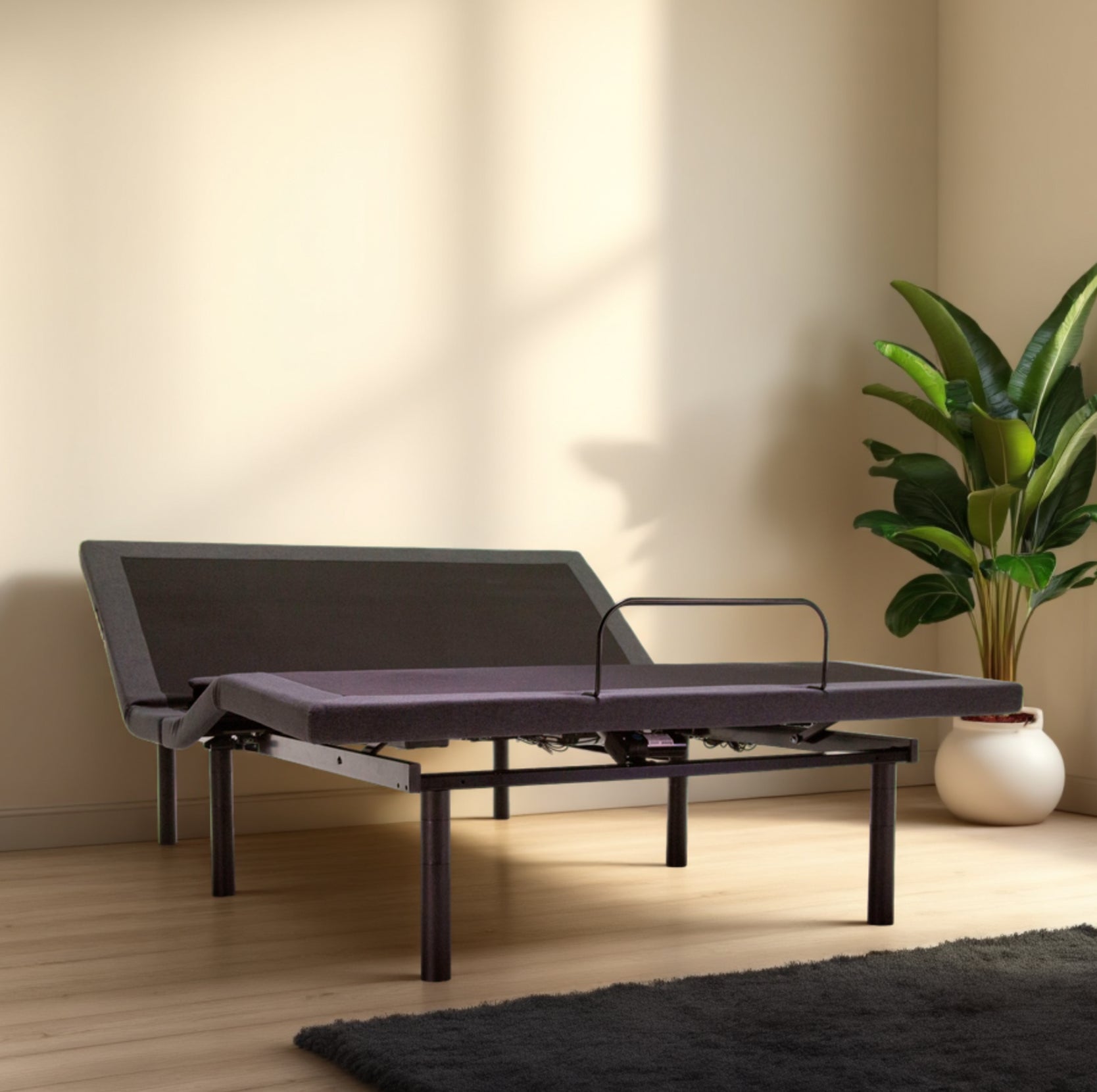
The Clean Bedroom (Level 4) Adjustable Bed Base
A sophisticated sleep platform that blends comfort and technology. Independent head and foot lifts, lumbar support, VibraSense massage, built-in white noise, and snore detection showcase how the bed itself can support sleep health and relaxation. This base is designed to pair with high-quality memory foam or latex mattresses to optimize alignment and user experience.
Price: $2,099.00
This spotlight demonstrates the practical reality: the mattress is only one piece of a larger sleep system. An adjustable base can adapt to individual needs, from reading to elevated recovery, illustrating how thoughtful technology complements the material you choose for your sleep surface.
Conclusion: Informed Choices Build Better Sleep Health
The memory foam versus latex debate does not culminate in a single verdict. It culminates in a thoughtful process—assessing your sleep posture, temperature sensitivity, budget, and long-term durability expectations—and then selecting a surface that aligns with your physiology and daily life. Our aim is to empower readers to approach their sleep surface with curiosity, armed with evidence where available and guided by the lived experience of how different materials perform in real-world settings.
At RelaxComAt Mattress, we advocate for transparency, credible sourcing, and an openly educational approach. The right knowledge—not marketing promises—will help you construct a sleep environment that truly supports your health, recovery, and well-being.