Latex is a natural material known for its resilience, breathability, and supportive feel, making it a popular choice for bedding products. In the context of latex pillows and mattresses, the material can offer consistent contouring while promoting airflow to help regulate temperature. Understanding the properties of latex informs decisions about comfort, durability, and hygienic maintenance within sleep environments.
Latex comes in various forms, including natural and blended options, with Dunlop and Talalay production methods influencing feel and density. For pillows and toppers, latex provides responsive support that minimizes motion transfer and reduces pressure points. The composition affects durability, allergen resistance, and care requirements for long-term usability.
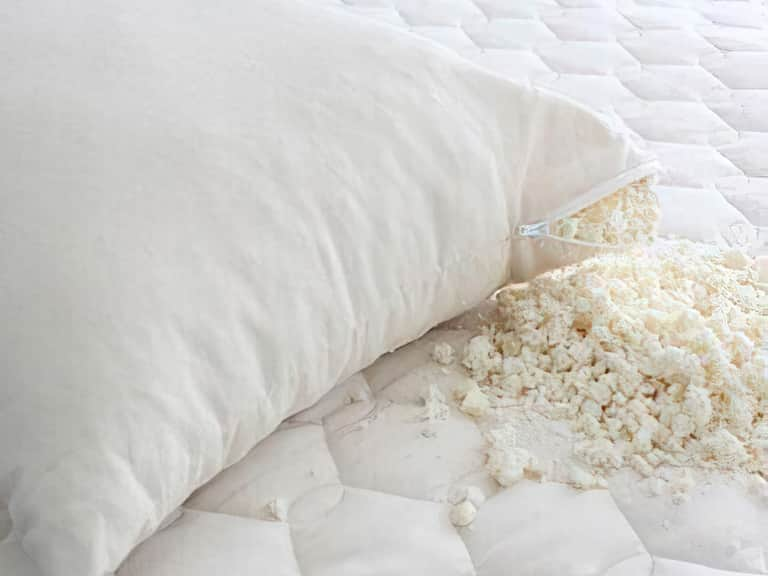
The Savvy Rest Shredded Latex Pillow demonstrates how shredded latex offers adjustable height and loft, enabling personalized alignment for different sleep positions. Its modular fill allows users to modify firmness, while the outer cover supports cleanability and breathability. This type of pillow emphasizes versatility and ongoing sleep-optimization through material properties.
In bedding ecosystems, latex aligns with memory foam and other pillow materials to create layered comfort. While memory foam pillows adapt individually, latex supports a cooler sleeping surface and quicker recovery after pressure. The interplay between latex and other components can influence overall spinal alignment, neck support, and comfort across varied sleep needs.
Key features to consider include density, firmness range, durability, and allergy considerations, along with care guidelines for latex products like pillows and organic mattresses. When evaluating latex options, users assess how the material responds to heat, humidity, and bending, ensuring consistent performance for membranes and covers used in bedding systems such as sheets, pillows, and mattresses.
 Bedding